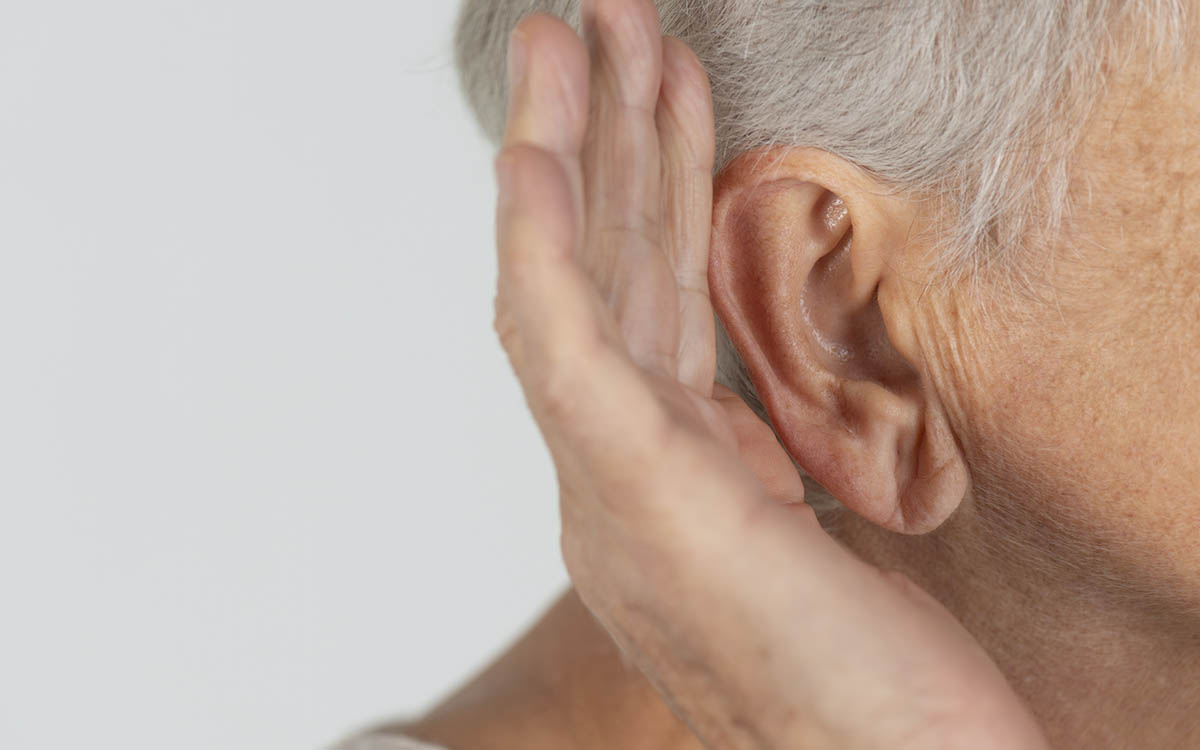
Commonly, clinicians link hearing loss with advancing age, though for a significant portion of the population, auditory trauma initiates much earlier in life. Noise-induced hearing loss represents a common, preventable auditory pathology, advancing subtly and remaining undiagnosed until the clinical effects are permanent.
Comprehensive knowledge of how chronic noise exposure affects the ears is essential for implementing safeguards before major hearing loss develops.
Identifying the Clinical Indicators of Noise-Related Hearing Loss
Noise-induced hearing loss occurs when loud sounds damage the delicate structures inside the inner ear. As reported by the CDC, sustained or frequent exposure to sounds exceeding 85 decibels, such as heavy traffic, can initiate auditory damage. Higher intensity sounds, including those generated by machinery, music venues, or firearms, may result in immediate damage.
The internal auditory system houses delicate sensory units termed hair cells. These units are responsible for translating sound waves into the electrical signals required for auditory perception. The inability of hair cells to regenerate after trauma explains why noise-induced hearing loss results in a permanent auditory deficit.
The Progression of Auditory Trauma
The insidious nature of noise-induced hearing loss is highlighted by its gradual developmental timeline. Initial signs of auditory overexposure may present as:
- Transient auditory sensations such as ringing or buzzing (Tinnitus)
- Post-exposure auditory dullness or perceived muffling of sound
- Challenges involving speech comprehension within high-noise settings
While these preliminary indicators may dissipate, this should not be mistaken for complete physiological recovery. Despite the lack of symptoms, persistent noise exposure causes cumulative injury to the ear, leading to a progressive decline in hearing resolution.
The Hearing Loss Association of America reports that approximately 48 million Americans experience some degree of hearing loss, frequently with unidentified etiology.
Recognizing Routine Sound Hazards Impacting Auditory Longevity
In our modern environment, individuals often develop a tolerance or desensitization to high-volume sounds. For this reason, many people are surprised to learn how common harmful noise exposure is.
Potential sources include:
- Live music venues and concerts
- High-volume output from personal listening equipment
- Gas-powered lawn tools, industrial machinery, and motorcycles
- Occupational noise exposure within the construction or manufacturing sectors
Since these noises are integrated into daily routines, cumulative damage often occurs without immediate clinical indicators.
The Critical Role of Hearing Safeguards
Noise-induced hearing loss is physiologically irreversible, unlike many other health impairments. Despite its permanence, the condition is significantly preventable. Simple protective habits can significantly reduce risk, including:
- The application of earplugs or attenuation earmuffs in loud areas
- Modulating audio output levels and observing 60/60 rule constraints
- Implementing quiet intervals to permit the auditory system to rest
- Ensuring consistent Audiology check-ups for those in high-noise environments
Criteria for Expert Audiology Consultation
If you notice persistent ear ringing, difficulty following conversations, or changes in hearing clarity, you should seek evaluation from a hearing professional. Timely professional assessment facilitates the creation of a management plan to maintain long-term auditory health.
Prioritizing auditory health now ensures the preservation of hearing clarity for the future. Exposure to noise is frequent, yet hearing loss can be successfully avoided through proper care. Please contact our clinic to arrange a professional consultation regarding your auditory health.
