Because hearing loss typically progresses slowly, early signs frequently go unnoticed by the individual. Many people adjust without realizing it by increasing the TV volume, asking others to repeat themselves, or avoiding loud environments.
Arranging an early evaluation facilitates efforts to preserve hearing, improve communication, and protect overall quality of life.
Recognizing Typical Early-Stage Hearing Loss Symptoms
If you identify any of these indicators, consider arranging a professional hearing assessment to establish a baseline.
- Difficulty comprehending speech, specifically in noisy environments with a lot of activity.
- A regular need of asking for verbal repetitions during conversation.
- The perception of muffled or slurred speech where words appear to merge.
- Requiring increased decibel settings for media beyond the comfort of family members.
- Trouble hearing higher-pitched sounds, including children’s voices, birds, or doorbells.
- Ringing, buzzing, or humming in the ears (tinnitus).
- Feeling mentally exhausted after social interactions, resulting from the strain of auditory processing.
- Withdrawing from social situations because dialogue has become stressful.
Initial auditory warnings could be present in one or both ears and might appear inconsistently at first. Since the auditory cortex adjusts to input shifts, compensatory behaviors often go unnoticed until clinical hearing loss is evident.
Understanding Hearing Impairment Through Data
The World Health Organization reports that the need for hearing support will impact 700 million people by 2050. Other significant statistics consist of:
- By 2050, nearly 2.5 billion people are expected to experience some degree of hearing loss.
- More than five percent of the global community (roughly 430 million people) requires rehabilitation to manage significant hearing loss.
- More than 1 billion younger individuals are at risk of permanent hearing loss due to hazardous acoustic habits.
- Among those over the age of sixty, more than one-quarter suffer from disabling hearing loss.
The Value of Early Hearing Loss Detection
Failure to address auditory decline influences general health and physiological status.
Studies have identified a connection between auditory impairment and an increased likelihood of cognitive decline and diminished balance.
Managing symptoms at the onset allows for a broader range of interventions and better long-term outcomes.
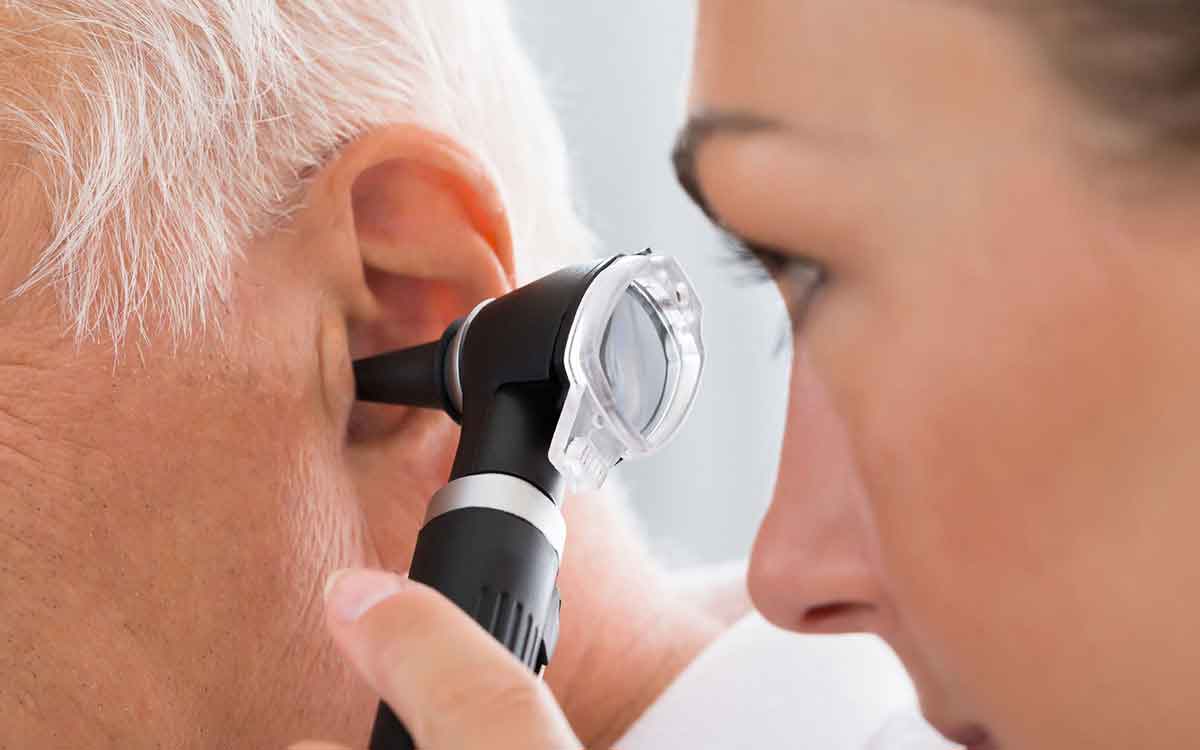
A clinical screening identifies if hearing fluctuations are caused by noise damage, earwax impaction, or different medical factors.
Occasionally, hearing shifts are not permanent and resolve with intervention.
For chronic conditions, the early implementation of hearing protection or hearing technology can help manage the condition.
When to See a Hearing Specialist
You should consider arranging a hearing assessment if:
- Auditory symptoms remain present for more than a few weeks.
- Difficulty hearing starts to influence professional tasks or daily activities.
- If you encounter sudden hearing loss, dizziness, or chronic ear ringing (this should be evaluated promptly).
Assessments for hearing are noninvasive procedures, yielding essential information into your ear health.
We invite you to reach out to our clinic if you believe a hearing screening would be advantageous.
FAQ: Early Signs of Hearing Loss
Question: Does hearing loss only occur with aging?
Answer: Not necessarily. Although presbycusis is prevalent, auditory shifts can stem from noise trauma, ototoxic drugs, or genetic factors.
Q: Can auditory impairment be clinically reversed?
A: Some causes, like earwax buildup or infection, may be reversible. However, permanent types of hearing loss are often successfully managed with hearing aid technology or therapeutic strategies.
Question: How frequently should an individual undergo a hearing test?
A: Adults should have a baseline hearing test by age 50, or earlier if symptoms or risk factors are present.
