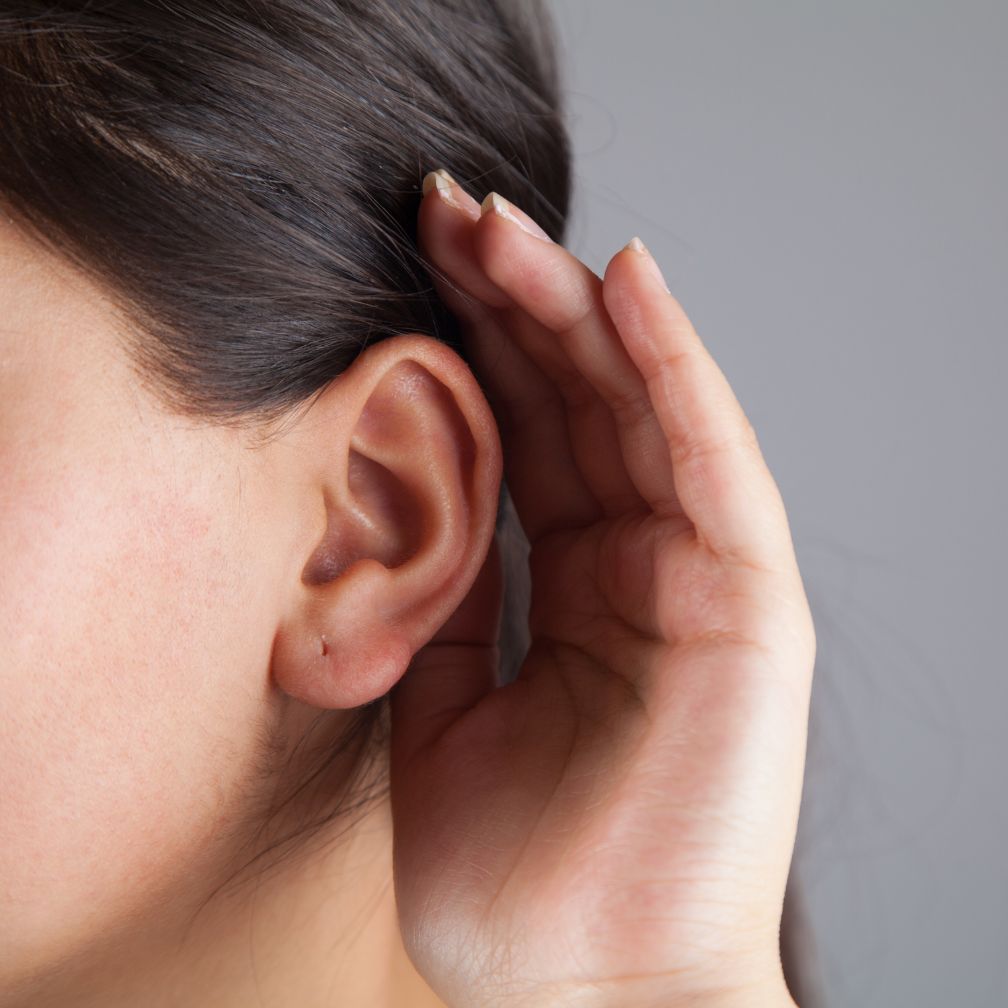
What’s that strange noise that kind of sounds like white noise, or wind in your ears? Why does this sound remain entirely imperceptible to the people around you? Rest assured, this physical perception is definitely not a product of your imagination.
Happily, you are likely not suffering from “phantom ring syndrome,” a modern behavioral manifestation where excessive cellular device users falsely perceive incoming calls, vibrations, or alerts.
Instead, these persistent acoustic distortions are classic indicators of clinical tinnitus. Make no mistake, this perceived internal audio is a legitimate medical symptom, and certain lifestyle habits can rapidly worsen its intensity.
Even with this internal hum, your ears retain the capacity to process active human speech. It merely creates a frustrating sensation where a phantom frequency is constantly layered over every real-world sound.
We will examine why this persistent hum occurs, break down its clinical characteristics, and review what steps you can take to successfully alleviate the symptom.
The Root of Tinnitus: Why Your Brain Tracks This Persistent Hum
Physiologically, tinnitus typically serves as an early clinical warning sign of underlying hearing loss. It manifests as a perpetual or fluctuating sound profile that occupies the foreground of your sensory perception. Based on your specific audiological subtype, the internal static might remain completely unobtrusive throughout your normal routine. Alternatively, you might find yourself battling an intense presentation where the constant roar leaves you feeling completely helpless and desperate for relief.
Most patients frequently fail to find words that accurately convey their struggle, because this subjective sensory deficit defies the imagination of anyone who has never lived it.
You might find yourself wondering how a humming noise that sounds so incredibly vivid inside your skull can have no external reality. This paradox leads many to worry if they are suffering from a central mental delusion or cognitive misfire. You may find yourself asking how a silent hum can completely disrupt your concentration and impair your social interactions. Or sleeping?
Nocturnal Amplification: What Happens When Ambient Sound Drops
It is a well-documented clinical fact that a lack of environmental audio causes your internal ear noises to feel significantly worse. This structural shift happens because the internal hum doesn’t have to fight against real-world sound waves—as seen when people lock down their bedrooms for total quiet at night. They don’t have any TV playing, no radio, no noise at all. When you couple that absolute stillness with the reality that you are isolated with your own thoughts, your conscious attention locks directly onto the internal buzzing, creating a fixation cycle that makes the symptoms feel vastly more intense. Whether you experience soft or loud noises, low or high pitches, a quiet bedroom at nighttime is the perfect situation for tinnitus to take hold.
The Variable Auditory Profiles of Chronic Tinnitus Explored
Describing this invisible impairment to a healthy individual is difficult enough, but navigating a conversation with a fellow tinnitus sufferer can introduce further confusion. They might describe a totally different frequency matrix or tonal texture, which easily leads you to conclude that your wind-like sound must be an entirely separate disease.
In reality, the overwhelming clinical likelihood is that you are dealing with standard tinnitus variations. The explanation is simple: this auditory deficit is incredibly diverse, crafting unique sensory experiences for each patient’s brain layout. These include, but aren’t limited to, hearing:
- The fuzzy roar of unchanneled television feedback
- Humming
- The constant drone of a swarm-like buzzing noise
- Ringing
- A rhythmic, low-end physical thumping sensation
- A steady, monotonous frequency resembling an active dial tone
In almost all instances, you are completely isolated in your perception of the tinnitus-induced white noise. Because of this, a traditional doctor cannot physically audit or hear the frequency to validate your complaint. Instead, the doctor will just have to take your word for it on this one.
Regrettably, this inability to physically verify the sound often causes individuals to feel isolated by a primary care provider who doesn’t specialize in permanent hearing loss.
To illustrate, an industrial steelworker named Thomas shared his story: “The moment that intense ringing initiated, I consulted my family physician. Though the practitioner casually acknowledged the probability of tinnitus, he failed to grasp how profoundly debilitating the constant roar was to my daily routine. He brushed off the symptom as though it lacked any real physical impact on my life. He seemed to think I could just ignore it and really didn’t offer any solutions.”
Consulting a dedicated hearing professional effectively addresses this communication breakdown and unlocks access to advanced medical solutions. Sometimes the sound itself can offer clues as to how to treat it.
When the Internal Static Matches Your Pulse: Understanding Pulsatile Symptoms
What makes it even harder to describe this noise to a doctor is the fact that there are so many different ways tinnitus can manifest itself. For example, if you hear a whooshing sound or a thumping sound in your ears, which is then followed by a steady series of beats that mimics your pulse, you may actually have a rare type of tinnitus called pulsatile tinnitus.
Fortunately, pulsatile tinnitus often yields a much higher cure rate than standard subjective tinnitus because it typically originates from identifiable structural health conditions, such as systemic hypertension or localized arterial narrowing.
Physically, the rushing noise can be created by changes in blood velocity through compromised or compressed pathways in the skull, resulting in an objective bruit. It’s critically important to get this checked out and treated, as in rare cases, the whooshing sound could be a sign that you’re heading for a seizure or stroke, either of which could prove fatal.
The Auditory Reality of Pulsatile Symptoms: External Verification Options
Make no mistake: tinnitus is a highly disruptive, legitimate medical disorder that inflicts significant stress on a patient’s routine. While it often can’t be diagnosed, there are rare instances that concern pulsatile tinnitus, where a hearing specialist trained to treat tinnitus can use instruments like a stethoscope to hear what you’re hearing. It is vital to understand that this objective phenomenon is unique to circulatory-driven cases, a category that is statistically much rarer than standard neurological tinnitus.
The Primary Triggers of Tinnitus: Understanding Sensory Damage
Statistically, the primary driver of chronic ear ringing is prolonged, repeated exposure to high-decibel environmental noise. This explains why the disorder is highly prevalent among professional musicians, concertgoers, and industrial laborers who operate within loud environments for consecutive hours over several years.
Occupational data highlights several high-risk industries where workers frequently develop severe auditory ringing, including:
- Factory Work – Operating around unmitigated industrial machinery for consecutive hours creates a highly toxic environment for your delicate hearing mechanisms. Beyond the raw volume, the high-pressure nature of manufacturing work spikes your stress hormones, which serves as a major secondary driver that worsens the internal ringing over time. If your job positions you near an active pneumatic riveter, you are facing a massive risk; these devices exceed 125 decibels, a level that causes immediate structural ear damage and severe, permanent static.}
- Modern Farming – The primary danger on a homestead isn’t the livestock. While a nearby rooster can hit 90 decibels, the mechanical components of modern farming pose a much greater threat to your long-term hearing health. High-horsepower tractors, massive combines, heavy harvesters, and high-pressure milking pumps all emit continuous, dangerous decibel levels. Furthermore, basic estate upkeep can damage your ears; a standard consumer table saw outputs more than 85 decibels, which actively destroys hearing tissue through prolonged exposure.}
- Pilots and Flight Crew – At a distance of 100 feet, a standard jet engine blasts a punishing 140 decibels directly into the environment. While aviation safety rules require pilots to wear defensive ear protection, operators of light aircraft are positioned inches away from the propulsion source. Traditional headsets cannot completely block out this massive volume of sound pressure, ensuring that a career spent in the cockpit often results in a slow, progressive decline in hearing acuity and secondary tinnitus.}
- Motorcycle Cop – You don’t have to be a police officer to ride a motorcycle, but any job that has you riding around on this noisy vehicle all day puts you at risk of developing tinnitus and eventually losing your hearing. The same goes for snowmobiles and jet skis…though chances are you’re not riding these vehicles at work unless you have a very interesting and, let’s face it, fun job.}
- Bartenders and Service Staff – Trying to hear a customer call out an order over a crowded bar requires immense concentration from your brain’s processing centers. The background music in entertainment venues is frequently pushed to dangerous decibel levels, making it impossible to hear a person standing directly in front of you and forcing your ears to strain constantly against the noise. When the lounge features a live musical act or a club DJ, your hearing paths sustain identical structural wear to the performers on stage.}
The common denominator in all these jobs is that the delicate sensory hair cells within the inner ear have been bent or broken by continuous sound pressure. These minute receptors capture incoming acoustic waves and transmit them along the auditory nerve so your brain can interpret what is happening. Unlike the rest of your body, when these hairs are damaged, they don’t heal or reproduce, and leave you with a distorted sense of hearing.
What makes this strange noise in my head worse?
Beyond direct exposure to loud volumes, specific lifestyle choices and physiological conditions can cause the white noise in your head to worsen.
- Mental Health Challenges – Living with generalized anxiety or depression creates a highly frustrating catch-22 scenario. The moment your stress or mood drops, your neurological sensitivity to the ear ringing spikes, which immediately causes your psychological distress to worsen in response.}
- Failing to Protect Your Hearing – Your ears are highly sensitive and will ache when subjected to dangerous decibel levels. Do not try to be tough or tolerate the volume—take immediate steps to shield your ears, because you only get one set of auditory organs for life.}
- Circulatory Stress – Neglecting your cardiovascular metrics can compromise the delicate arteries supplying your internal ear networks. This lack of proper blood flow causes immediate spikes in internal head noise and steadily worsens your overall hearing loss over subsequent years.}
- Smoking Habits – The chemical peaks and valleys experienced between cigarettes can cause your auditory symptoms to flare up dramatically. While lighting up seems to soothe the immediate stress, the long-term toxic payload and cardiovascular damage from smoking ensure that your tinnitus will continue to worsen over time.}
- Nutritional Choices – Certain dietary components, especially concentrated caffeine and chemical sweeteners, can irritate your nervous system and increase ear ringing. Implementing a daily food tracking journal allows you to monitor your chemical intake alongside your tinnitus levels to systematically discover your personal food triggers.}
- Interpersonal Stress – Engaging with consistently negative or high-conflict individuals can cause your tinnitus to flare up by triggering systemic hypertension, anxiety, and mood drops. Take a moment to analyze whether certain social circles are causing you physical harm, and weigh that toll against the value of your long-term wellness. Remember, you cannot force others to change their behavior, but you can always choose to distance yourself from their environment.}
- Gestation – Statistically, roughly thirty-three percent of expectant mothers develop acute tinnitus symptoms, which are primarily driven by rapid hormonal shifts and natural fluctuations in blood volume and pressure.}
- Cerumen Impaction – When old earwax migrates deep into the canal and impacts against the delicate eardrum, it can create a variety of unusual, scraping noises. Having that material safely extracted by a medical professional can completely stop the ear ringing on the spot.}
- Pharmaceutical Interventions – Many standard therapies—ranging from prescriptive opiates and heavy antibiotics to common diuretics, cancer treatments, and basic aspirin-based painkillers—can damage the delicate structures of the inner ear. It is critical to coordinate with an otolaryngologist and your managing physician to map out the ototoxic risks of your prescriptions.}
Are there any treatments for tinnitus that work?
If your history includes conditions that directly impact your auditory health, coordinate with a healthcare professional. Specific systemic disorders significantly worsen your internal noise levels, particularly unmanaged anxiety and high blood pressure.
Once your baseline systemic health has been stabilized, it is time to evaluate targeted acoustic therapies. These include:
- Holistic Stress Reduction – Committing to structured meditation, therapeutic yoga, or dedicated breathing routines helps calm an overactive sympathetic nervous system. Learning to manage mental strain naturally without reliance on alcohol or pharmaceuticals is a skill rarely taught in traditional settings. However, incorporating these behavioral techniques is highly recommended, as they deliver measurable, long-term relief from internal head noise.}
- Using white noise to mask the sound while you sleep. White noise can offer immediate relief. Never try to drown the sound out with earbuds or with other loud noise exposure. That would only make the symptoms worse over time.}
- Therapeutic Hearing Instruments – Contemporary assistive listening devices can be customized to actively mask or cancel out the internal static. Today’s hardware is equipped with cutting-edge software suites designed specifically for targeted tinnitus suppression. Your hearing care professional can program these microcomputers during your initial fitting to match and nullify the exact pitch vibrating inside your head.}
- Sound treatment, which trains your ear to ignore the sound. Sound therapists emit a sound into your ear that mimics the sound you hear. It teaches your brain to ignore the sound and focus on other sounds, like voices.}
- Cognitive Behavioral Therapy (CBT) – This specialized behavioral methodology gives patients the tools required to break free from anxious obsession and hyper-vigilance. If you are stuck in a habit of tracking negative life events or worrying about uncontrollable global issues, a CBT protocol can help. It provides the neurological retraining needed to anchor your focus on positive milestones and personal goals, effectively lowering the emotional stress that intensifies your ear ringing.}
The Reality of White Noise Therapy: Management vs. Cure
You might wonder if the concept of fighting fire with fire applies to your ears, specifically using physical white noise to fight phantom white noise. Recent audiological research out of England notes that while consistent sound therapy effectively reduces symptom awareness, it cannot stand alone and must be paired with secondary clinical treatments.
To be perfectly transparent, there is at present no definitive medical cure for chronic sensorineural tinnitus; rather, science offers a variety of highly effective management strategies to suppress your awareness of the noise.
Faced with these options, what is the most logical next step for a patient seeking relief? Most importantly, you should get your hearing tested. You’ll find out how much it’s impacting your ability to understand when people speak. Following your exam, you will be prepped to map out an advanced, highly tailored recovery plan alongside your local hearing care physicians.
What if I hear music in white noise? Or voices or other things?
Perceiving coherent songs or conversation inside a hum indicates that you are experiencing a unique sensory pattern rather than basic tinnitus. Please do not worry or panic over this development, as it is completely unrelated to schizophrenia or alternative serious mental health conditions. Statistically, you are simply experiencing a well-documented neurological effect called Musical Ear Syndrome, pattern-seeking apophenia, or acoustic pareidolia. Your mind is hardwired for intense structural processing, meaning it will aggressively scan unshaped noise in an effort to synthesize familiar audio forms. Consequently, when confronted with a steady, meaningless hum, your cognitive processing filters can accidentally misinterpret the data. To define it simply, auditory pareidolia occurs when your brain takes random, chaotic noise fragments and forces them into a recognizable template from your memory, such as a familiar song. Alternatively, if you perceive vivid songs playing when your immediate surroundings are completely devoid of any real-world sound pressure, you are likely navigating a benign musical hallucination.
