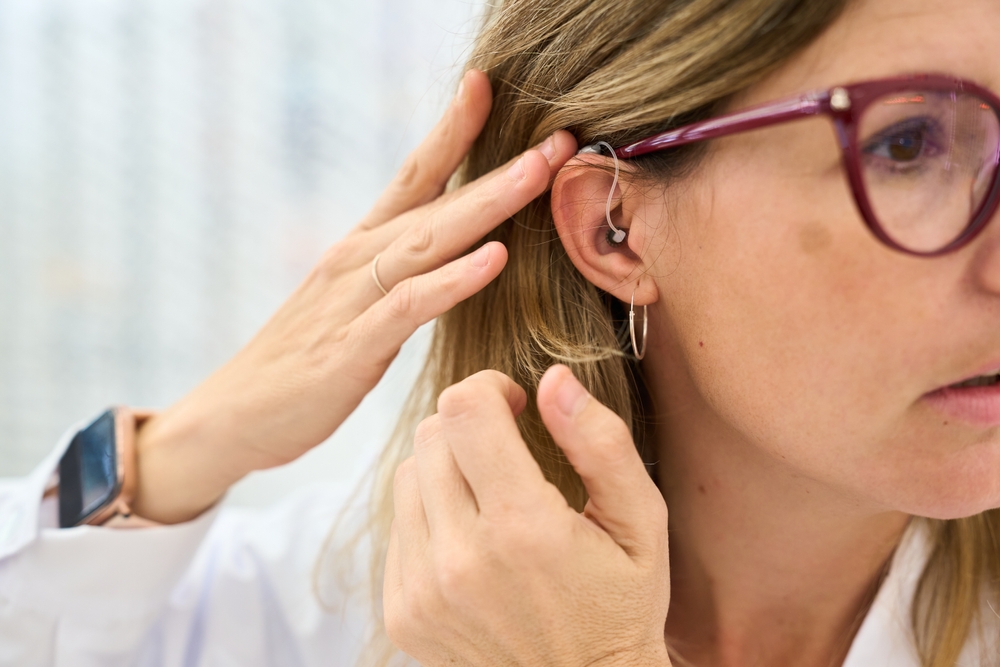
It is incredibly common for individuals to resist getting hearing instruments simply because they dread a bulky appearance or an uncomfortable fit. In past generations, primitive auditory devices were heavy, highly visible, and frequently viewed as an embarrassing marker of advanced age. In various scenarios, patients expressed fear that wearing an obvious device would cause peers to omit them from casual conversations due to perceived listening limitations.
For many people, this image has stuck, making them hesitant to take the next step. The liberating truth is that twenty-first-century auditory tech offers a level of cosmetic elegance and physical comfort that surprises most patients. Ongoing innovations in cosmetic engineering mean today’s options are ultra-small, seamlessly comfortable, and beautifully hidden from public view.
If you’ve been putting off treatment because of how hearing aids used to look, it might be time to take a fresh look at what’s available today!
Dispelling the Myth: Modern Devices Have Transcended Older Styles
If you close your eyes and picture a hearing aid, you might imagine something large, hooked over the ear, and visible from across the room. If that is the visual you hold, you are fundamentally remembering outdated medical equipment from decades past.
Over the last few generations, this medical technology category has experienced a total structural evolution. Continuous refinements in ergonomic styling, nanometer-scale circuitry, and digital audio engineering have radically overhauled the modern cosmetic profile. Current product lines are incredibly compact, architecturally clean, and purpose-built to harmonize with your features or sit entirely out of sight.
A substantial percentage of contemporary options reside deep within the auditory canal, ensuring absolute invisibility during routine face-to-face interactions. Alternatively, post-auricular models are constructed with such streamlined dimensions that they disappear against the scalp, customizable to complement individual skin and hair coloration.
Primary Hearing Aid Styles, From Invisible to Barely There
For those investigating what these advanced acoustic tools look like in real life, consider this straightforward guide:
Invisible-in-Canal (IIC) Technology
This tier represents the absolute pinnacle of cosmetic concealment. The IIC style fits exclusively within the deep internal canal and is built using a custom impression of the patient’s ear passagographic anatomy. Spoken interactions at arm’s length occur without anyone realizing a medical device is present. They represent an ideal intervention path for mild-to-moderate hearing impairments when user stealth is the top priority.
The Versatile Receiver-in-Canal (RIC) / Receiver-in-the-Ear (RITE) Style
This is the most common style today. A microscopic electronic hub is positioned behind the outer ear, anchored by an ultra-thin, transparent lead to a high-fidelity speaker seated inside the canal. To a casual observer, their clean lines often mimic high-end commercial wireless earbuds. Surrounding individuals will remain completely unaware of the technology unless they actively look for it.
Behind-the-ear (BTE)
This style positions the main component body post-auricularly, offering a slightly larger footprint that remains beautifully sculpted and sleek. Frequently utilized to remediate severe-to-profound auditory loss, they maximize gain and processing capability while maintaining a highly professional, low-profile aesthetic.
The fundamental lesson is clear: current acoustic technology is engineered to integrate seamlessly into your personal lifestyle, never to advertise an impairment.
Advanced Features: Beyond Aesthetics to Smart Technology Integration
The changes in modern hearing aids aren’t just cosmetic. Today, they function more like smart devices than traditional medical equipment. Many connect directly to your phone via Bluetooth, letting you stream calls, music, or even TV audio straight to your ears with no headphones needed.
Through proprietary mobile apps, patients can effortlessly adjust acoustic thresholds or modify directional settings completely hands-free. For instance, when entering a highly reverberant dining space, you can suppress ambient acoustic noise and sharpen speech clarity in mere moments. Furthermore, lithium-ion rechargeable cells have entirely eliminated the need to fiddle with microscopic, short-lived zinc-air batteries. You merely dock the devices on a nightstand inductive charger, exactly like replenishing your mobile phone.
Dismantling the Emotional Stigma of Auditory Assistance
Even knowing all of this, it’s easy to hesitate. Scheduling an appointment can feel like a profound internal challenge because it represents an open admission of sensory alteration. This realization can occasionally induce feelings of helplessness, leaving patients feeling detached from their own physical autonomy.
Consider a healthier perspective: wearing a contemporary hearing system does not mean your body has failed you. They are simply tools for managing standard lifecycle changes, which are a normal part of the human experience. Investing in your hearing shows that you are actively deploying advanced resources to support your systemic well-being and social connection.
Imagine wearing a discreet, barely (if at all) visible device and finally being able to follow along in conversation, hear better in crowds, and focus on the things that really interest you. That is a magnificent example of reclaiming control over your life!
See For Yourself What Today’s Hearing Aids Look Like
The quickest way to erase your grandfather’s mental model is to physically interact with twenty-first-century hearing tech. We encourage you to drop by our office, address your concerns, and hold these miniature devices yourself with zero sales pressure. View this consultation simply as a tactile opportunity to discover just how radically changed this technology has truly become.
Most people leave surprised by how small, comfortable, and natural modern hearing aids have become! Please contact our patient care coordinators or utilize our digital portal to secure your consultation this week.
