Muffled hearing can impact every aspect of your life, leaving you feeling confused and disconnected from the world around you. While the fear of permanent hearing damage is a common first reaction, the true source is frequently a simple collection of canal debris.
Differentiating between a wax impaction and actual hearing impairment is vital for identifying if you need a simple cleaning or a formal audiological exam. If you’re experiencing muffled hearing, don’t panic. A clinical assessment will provide the final answer, but the following resource details the main variations between blockage-based issues and permanent loss.
Identifying the Symptoms of Canal Obstruction
Your ears produce wax as a natural defense mechanism to maintain health and keep contaminants away from the tympanic membrane. Clinical issues only develop when the wax fails to move out of the ear, leading to a substantial accumulation or blockage.
Symptoms of a blockage often include:
- Dampened sound clarity that manifests gradually or suddenly
- A sensation of ear pressure or a “plugged” feeling
- Physical tenderness or localized aching in the ear
- Ringing in the ear (tinnitus)
- Moments of sharper hearing after a yawn or chewing
A signature of wax-induced sound changes is imbalance, typically impacting one side over the other. Thankfully, extracting the obstruction typically resolves the symptoms immediately.
Recognizing the Signs of Irreversible Auditory Decline
Unlike a brief obstruction, nerve-based hearing deficit typically advances slowly over decades and is not resolved by clearing the ear.
Signs of actual auditory impairment may feature:
- Battling to track conversations when ambient sound is present
- Often needing clarification during normal conversation
- Setting electronic device levels to a level that others find uncomfortable
- Difficulty catching treble sounds like nature or soft voices
- A symmetrical reduction in hearing ability in both ears
Unlike earwax buildup, hearing loss doesn’t usually induce a sensation of blockage or fullness.
Primary Distinctions at a Glance
By looking at the timing and particular markers, you can often determine which condition is affecting you:
- Progression: Obstructions can feel instant, while auditory decline is virtually always gradual
- Duration: Wax issues are fixable and temporary, whereas impairment is usually chronic
- Feelings: Tactile “plugging” points to cerumen, while the inability to clarify sounds points to loss
- Balance: Blockages are often unbalanced, but permanent loss is frequently bilateral
Why You Shouldn’t Self-Diagnose
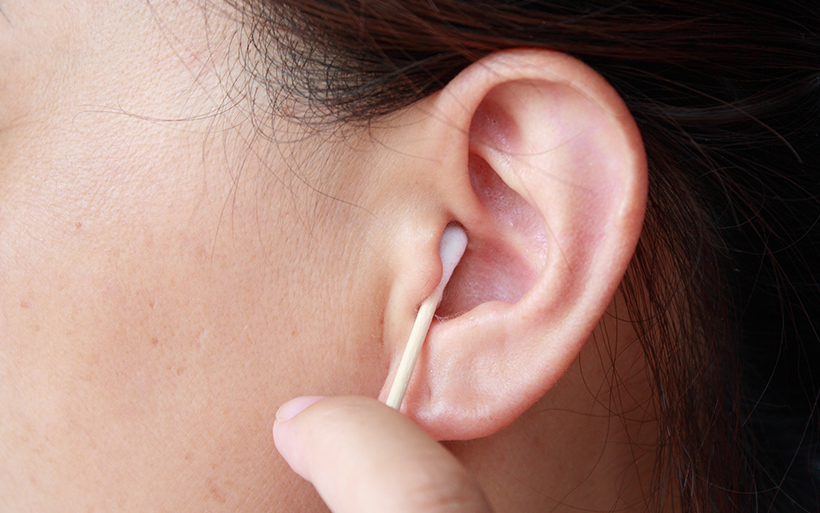
It’s tempting to assume earwax is the cause — and reach for cotton swabs or over-the-counter treatments. Regrettably, these can shove wax deeper and worsen the situation.
Based on data from the NLM, inserting items into the ear canal increases the likelihood of impaction and injury.
Similarly, neglecting initial hearing loss can postpone treatment that assists in preserving communication, security, and quality of life.
What to Expect During a Formal Consultation
A clinician can employ an earlight to immediately see if a physical blockage is present.
If cerumen is found, safe removal often clears symptoms immediately.
Should the auditory canal be clear but hearing difficulties continue, an audiogram can assess if hearing loss is identifiable and determine its category and degree.
Clinicians urge an instant hearing check if you begin failing to communicate or manage your environment.
Determining Cerumen Impaction or Auditory Decline?
Feeling like auditory signals are muted may not necessarily indicate a lasting loss.
It is often the reality that a simple, resolvable obstruction is the source of the issue.
Obtaining expert care ensures you find the specific source and the right remedy for your auditory requirements.
Remember: The only accurate way to tell the distinction between earwax buildup and auditory impairment is with a clinical exam.
Treating the concern now stops the anxiety of the unknown and places you on the track to better auditory function.
If your auditory sense seems off, don’t guess. A brief exam can make all the difference, so contact our team of specialists today.
