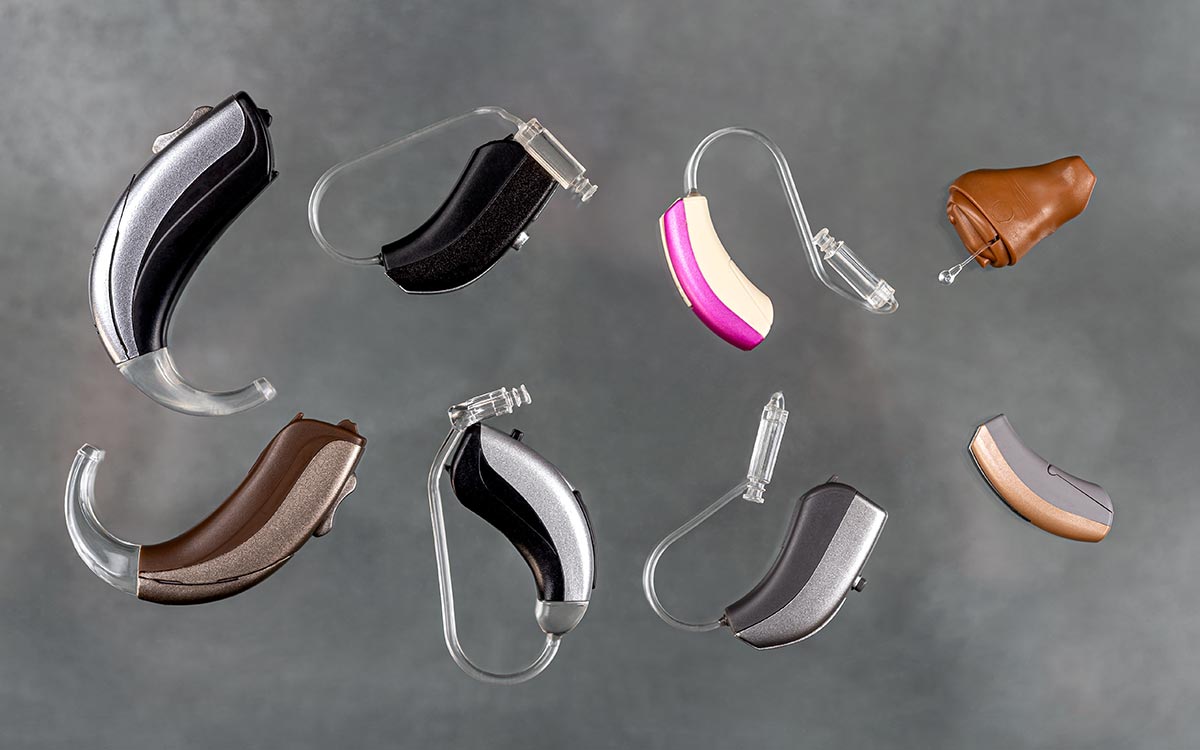
With so many options in terms of dimensions, style, and technology, the process of picking an instrument can feel quite intense. However, a specialized hearing solution exists for every person’s singular needs and daily habits. It’s all about discovering which model aligns perfectly with your specific requirements.
Gaining an accurate understanding of common hearing aid categories will empower you to make an educated decision for your hearing health. This guide explores the most popular styles and highlights the specific advantages each one offers.
Understanding In-the-Canal (ITC) Models
The Definition:
ITC hearing aids rest partly in the ear canal, with a small portion visible at the outer ear.
Why people select them:
- Offers an improved shape than bulkier behind-the-ear units
- Individualized molding guarantees long-term wearing comfort
- Suitable for mild to moderate hearing loss
Because they offer both discretion and helpful features, ITC models are an excellent pick for those new to hearing technology.
Invisible-in-Canal (IIC) Hearing Aids
The Idea:
As the most compact custom selection, IIC aids represent the smallest available style. They rest deeply inside the ear canal and are virtually invisible when worn.
Why they are favored:
- The best option for patients prioritizing appearance
- Pure sound quality due to microphone placement
- So light and small that users often forget they are wearing them
Because of their small size, IIC devices typically work best for mild to moderate hearing loss and for those who prefer an almost invisible option.
Understanding In-the-Ear (ITE) Devices
Product Details:
A custom hearing aid rests snugly within the outer ear, available in both full-shell and half-shell configurations. These are custom-fabricated for an exact match based on your ear’s anatomy.
Why users prefer this style:
- The increased surface space provides space for extra functionality and extended power
- The physical size is simpler to hold and adjust for users with fine motor concerns
- A versatile option that can address even significant levels of hearing loss
Many patients prefer ITE devices because they offer an integrated, self-contained design that doesn’t hook over the ear.
Behind-the-Ear (BTE) Hearing Aids
Summary:
Placed securely on the back of the ear, BTE models sit on the outer ridge. Audio is sent via a thin tube or a personalized mold in the canal.
Key Strengths:
- Known for being remarkably adaptable and robust
- Effective for almost every level of hearing impairment
- The spacious casing allows for high-tech extras and built-in power cells
The combination of ease of use and strong sound makes BTE aids a top contender for many patients.
Modern RIC (Receiver-in-Canal) Devices
Mechanical Arrangement:
In a modern model, the speaker is detached from the main casing and placed inside the canal via an ultra-fine wire.
Key Pros:
- Minimizes the “plugged up” feeling for more natural hearing
- Users value the slim design and comfortable fit for all-day use
- A versatile choice that works for various degrees of auditory needs
RIC devices are one of today’s most popular models, thanks to their blend of comfort, aesthetics, and performance.
Extended-Wear Hearing Aids
Usage Profile:
Extended-wear models are semi-permanent units that a professional fits into the ear for an interval of several weeks.
Lifestyle Benefits:
- Zero daily insertion or removal
- Almost invisible
- Engineering allows them to remain in the ear during all facets of daily life
Extended-wear devices are perfect for patients who want an effortless approach.
Connected Hearing Systems
Operation:
Connectivity-focused hearing aids that use radio to integrate with your digital life.
Digital Advantages:
- Enjoy immediate audio streaming from your phone or TV right into your ears
- Allows for quick, subtle adjustments to your hearing aids through digital software
- Provides the ultimate in ease for people who use smartphones regularly
You can find Bluetooth capabilities built into a variety of form factors, from RIC and BTE to custom ITC designs.
Alternative Surgical Options
What they represent:
Middle-ear implants are specialized instruments that use mechanical vibration to enhance hearing via the middle ear.
Why implants are utilized:
- Choice for people who cannot use traditional hearing aids
- Pleasant alternative for chronic ear issues related to traditional devices
Candidates for middle-ear implants should undergo an exhaustive evaluation by an expert specialist.
Selecting Your Ideal Auditory Solution
Since each hearing aid design has unique assets, the best choice is based on your specific hearing needs, your daily activities, and your aesthetic goals. A hearing professional is your best resource for evaluating these options and finding an ideal choice for your daily routine.
Start traveling toward a world of superior sound by arranging an appointment with an expert specialist. This simple step is the foundation for improved hearing and better connections with those around you.
Sources:
https://www.mayoclinic.org/diseases-conditions/hearing-loss/in-depth/hearing-aids/art-
20044116
https://www.hearinglife.com/hearing-aids/types
https://www.nidcd.nih.gov/health/hearing-aids
